Smart Property Maintenance Tips with Practical London Roofing Advice
Maintaining a property involves much more than responding to problems when they become obvious. Regular checks, sensible planning and timely maintenance can help protect the structure of a building, reduce the likelihood of avoidable deterioration and make it easier to identify areas that may require professional attention. For homeowners, landlords, surveyors and local authorities, considering roofing as part of a consistent maintenance routine can be particularly valuable when managing residential and commercial properties of different ages, designs and construction types.
The roof is one of the most exposed parts of any building. It faces rain, wind, temperature changes, falling debris and seasonal conditions throughout the year. In London, properties can range from period terraces and converted buildings to modern developments, commercial premises and larger managed properties. Each building can therefore have different maintenance requirements depending on its roof covering, age, drainage arrangement, surrounding environment and previous repairs.
Following sensible roofing advice can help property owners understand which areas deserve regular attention and when a minor concern may need further investigation. Maintenance does not necessarily mean carrying out major work frequently. Instead, it involves observing the condition of the building, keeping vulnerable areas clear and responding appropriately when signs of deterioration appear.
A planned approach can also make maintenance easier to manage over the longer term. Rather than treating the roof, gutters, walls and drainage as completely separate parts of the property, it is useful to consider how they work together to keep water away from the internal structure.
Carrying Out Regular Roof and Exterior Property Checks
Routine visual inspections are a practical starting point for property maintenance. A roof may appear to be functioning normally from ground level while small defects are beginning to develop in less visible areas. Changes do not always result in immediate leaks, so noticing early warning signs can provide an opportunity to investigate before deterioration progresses further.
The frequency of checks will depend on the property. Older buildings, properties surrounded by mature trees and roofs that have previously required repairs may benefit from closer observation. Commercial buildings and managed residential properties may also require a structured inspection schedule so that maintenance responsibilities can be recorded and planned.Where it is safe to do so, property owners can observe the roof from ground level or from suitable windows.
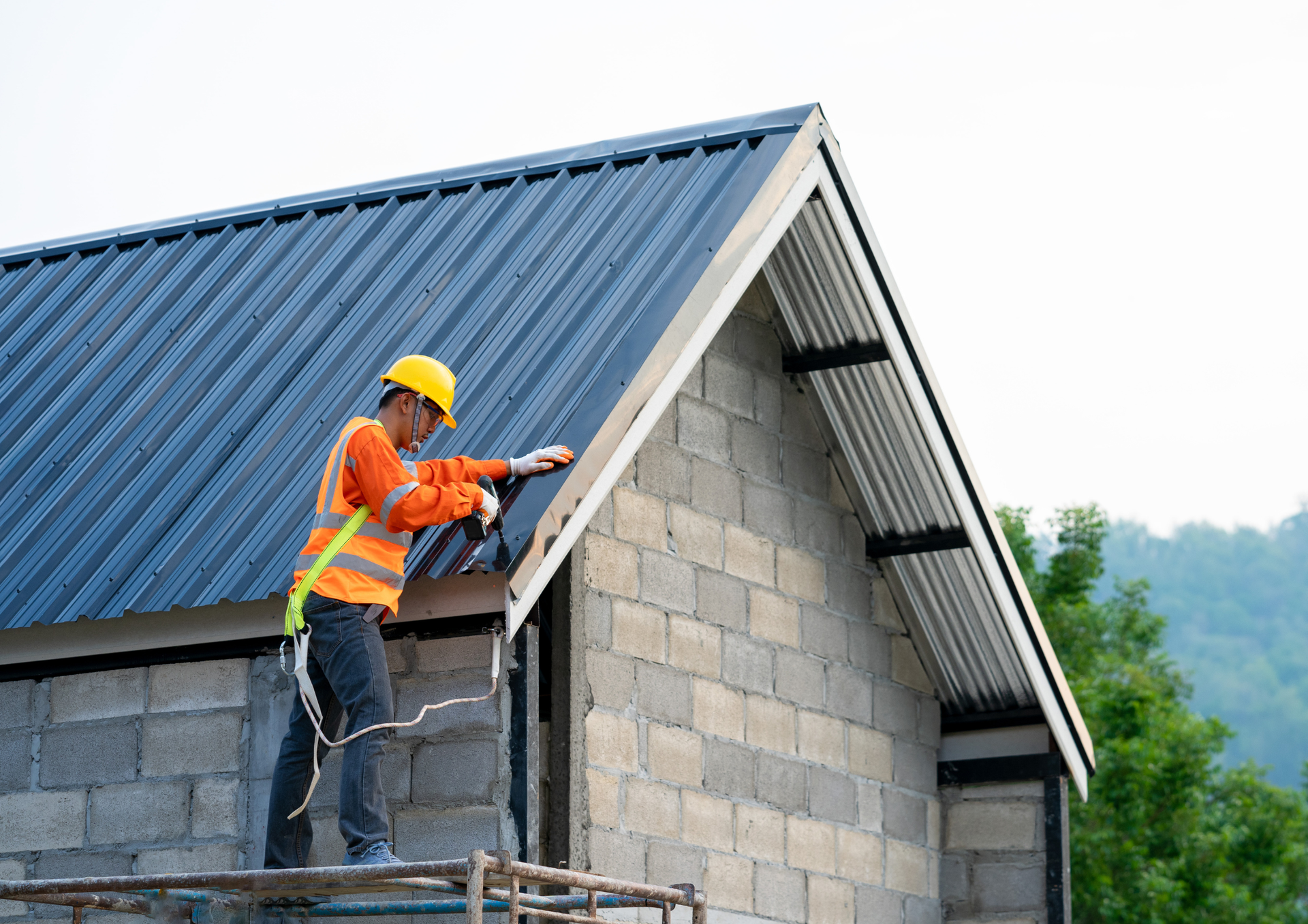
Accessing the roof itself should generally be left to people with the appropriate equipment and experience. Areas worth monitoring include:
- Tiles and slates: Look for visibly slipped, cracked, displaced or missing coverings. Even a small change in their position can leave sections of the roof more exposed to rain and wind.
- Flashing: Pay attention to areas around chimneys, roof junctions, dormers and other penetrations. Damaged or deteriorating flashing can allow moisture to reach vulnerable parts of the structure.
- Gutters and downpipes: Check for overflowing water, sagging sections, staining or vegetation. These signs may indicate restricted drainage or damaged components.
- Rooflines: Fascias, soffits and other roofline elements should be monitored for deterioration, movement, staining or visible damage.
- Flat roof surfaces: Where visible from a safe position, look for standing water, damaged coverings, lifting edges or areas that appear uneven.
- Chimneys: Observe chimney stacks for loose materials, deteriorating pointing or visible changes around the junction between the chimney and roof.
- Internal areas: Loft spaces and upper-floor ceilings can sometimes reveal staining, damp patches or other changes that are not immediately apparent externally.
- External walls: Water marks, damaged pointing and staining beneath roof edges can provide useful clues about drainage or roofline problems.
Keeping a simple record of observations can be helpful, particularly for landlords, surveyors and organisations responsible for several buildings. Photographs taken periodically from the same safe location can make gradual changes easier to recognise.
After periods of strong wind or prolonged rainfall, an additional visual check may be worthwhile. Weather can move roof coverings, loosen materials or expose weaknesses that were previously difficult to detect. Finding a concern does not automatically mean extensive repairs are necessary, but it does provide a reason to arrange a closer assessment where appropriate.
The age and design of a roof should also be considered. Some materials naturally change in appearance as they weather, while others may become more vulnerable as they approach the later stages of their expected working life. Understanding this distinction can prevent normal ageing from being mistaken for immediate failure while ensuring genuine defects are not overlooked.
When professional work is being considered, roofing prices can vary according to factors such as roof size, material type, access, the extent of deterioration and the complexity of the work. A small repair to an accessible section will naturally involve different requirements from work on a large, complex or difficult-to-reach roof.
Managing Drainage, Rooflines and Weather-Exposed Areas
Effective drainage plays a major part in protecting a property. Roof coverings are designed to direct rainfall towards gutters, which then carry water into downpipes and away from the building. When any part of this route becomes obstructed or damaged, water may begin travelling somewhere it was not intended to go.
Leaves, moss, twigs and general debris can gradually accumulate in gutters. This is especially relevant for buildings close to trees, although debris can affect properties in densely built-up areas as well. Restricted gutters may overflow during heavy rainfall, causing repeated wetting of walls, fascias and other external surfaces.
Maintenance should therefore include periodic attention to drainage components. Gutters should remain properly aligned and securely fixed, while downpipes should discharge effectively. Staining beneath gutter joints or damp areas around external walls may indicate that water is escaping from the system.
Roofline components also deserve attention. Fascias and soffits help finish and protect the edges of a roof, while ventilation openings incorporated into certain roof designs can contribute to airflow. Damaged materials, blocked ventilation or deteriorating joints can affect how well these areas perform.
Weather exposure is another consideration. London buildings experience repeated cycles of rainfall, wind, colder winter conditions and warmer periods. Materials can expand, contract and weather over time. Small gaps or weakened joints may gradually become more noticeable as these cycles continue.
Good maintenance involves recognising the relationship between these different elements. A damp patch, for example, does not always originate directly above the visible mark. Water can travel along structural components before becoming apparent internally. For this reason, identifying the actual source is usually more useful than simply treating the visible symptom.
Property owners searching for local roofers may benefit from looking for professionals familiar with the range of roof types found within their area. Local knowledge can be particularly useful where buildings have traditional materials, unusual access arrangements or construction details commonly found in particular neighbourhoods.
Vegetation around a property should also be considered. Overhanging branches can deposit debris onto roofs and into gutters, while branches moving during windy weather may come into contact with roofing materials. Sensible management of surrounding vegetation can reduce some of these maintenance pressures without changing the character of the property unnecessarily.
Planning Preventative Maintenance and Responding to Warning Signs
Preventative maintenance is generally easier to organise when property owners understand which changes deserve attention. Not every visible imperfection represents an urgent problem, but certain signs should encourage further investigation. Leaving developing defects unexamined may allow moisture or weather exposure to affect a wider area.
A practical maintenance plan can include the following measures:
- Schedule seasonal observations: Check visible roofing and drainage areas periodically and following particularly severe weather.
- Keep drainage routes clear: Arrange suitable gutter maintenance before accumulated debris significantly restricts water flow.
- Monitor previous repairs: Areas that have been repaired in the past can be included in future checks to confirm that they continue to perform as intended.
- Investigate internal staining: New marks on ceilings, walls or within loft spaces should be examined rather than simply redecorated.
- Watch for displaced materials: Slipped tiles, loose components and damaged roofline sections may become more vulnerable during subsequent bad weather.
- Maintain records: Dates, photographs and notes can help establish whether a visible change is recent or has developed gradually.
- Consider roof age: Older coverings may require more frequent assessment even when no immediate problem is visible.
- Plan access carefully: Roof work should not be attempted without suitable equipment, knowledge and safe working arrangements.
Preventative planning is particularly useful for landlords and organisations responsible for multiple properties. A structured schedule can help ensure that routine checks are not forgotten and that maintenance can be prioritised according to condition rather than simply dealt with when an occupant reports a problem.
Commercial properties may require a slightly different approach because larger roof areas, plant equipment, drainage outlets and restricted access can introduce additional considerations. Regular assessment can help building managers understand the condition of these elements and plan appropriate maintenance without unnecessarily disrupting normal use of the premises.
Homeowners can apply the same principles on a smaller scale. Checking loft areas occasionally, observing gutters during rainfall and noticing changes to ceilings or external walls can provide useful information about how the property is performing.
When comparing local roofing companies, property owners should consider the clarity of the assessment and the explanation of proposed work rather than focusing solely on the initial figure provided. Understanding what has been identified, which materials may be required and why particular work has been suggested can make maintenance decisions easier.
There are also situations where prompt assessment is sensible. A newly displaced tile, sudden internal water staining or visible storm damage should not simply be left until the next routine inspection. Early investigation can establish the extent of the concern and determine what response is appropriate.
Making Informed Decisions About Repairs and Longer-Term Care
Property maintenance is most effective when decisions are based on the actual condition of the building. Some roofs may require only minor attention, while others may have several areas showing age-related deterioration. The appropriate response depends on the material, construction, extent of the problem and the expected future use of the property.
For example, replacing a small number of damaged tiles may be appropriate when the surrounding covering remains in satisfactory condition. Where deterioration is widespread, repeatedly carrying out isolated repairs may not address the underlying condition of the roof. A proper assessment can help distinguish between these situations.
This is where professional roofing guidance can be valuable for properties throughout the capital. London's building stock includes Victorian and Edwardian houses, modern developments, flats, extensions, offices, shops and public buildings. Different structures may use slate, tiles, membranes, felt, leadwork and various roofline systems, all of which require maintenance suited to their individual characteristics.
Access can also affect repair planning. Terraced streets, narrow side passages, neighbouring properties, extensions and multi-storey buildings can make certain roof areas more difficult to reach. These practical considerations may influence the equipment, working arrangements and time required for the job.
Before agreeing to work, obtaining clear roofing quotes can help property owners understand what is included. A useful quotation should provide enough information to distinguish the proposed work, relevant materials and any significant access requirements, allowing decisions to be based on the scope of the job rather than price alone.
Long-term maintenance should also account for alterations to the property. Extensions, loft conversions, roof windows, solar equipment and other additions can create new junctions or drainage arrangements that need periodic observation. Any change that affects how water moves across or away from the roof should become part of the ongoing maintenance routine.
Surveyors and local authorities may need a broader view, particularly where several properties or larger buildings are involved. Prioritising work according to condition, exposure and potential consequences can help resources be directed towards areas that genuinely require attention.
Ultimately, good property maintenance is about consistency. Small observations made throughout the year can provide a clearer picture than waiting until a significant defect becomes apparent. The objective is not to carry out unnecessary work but to understand the property well enough to recognise when action is justified.
Local Roofing London provides practical roofing support for homeowners, landlords, surveyors, local authorities and those responsible for residential and commercial properties. We understand that every building has its own construction, materials, access arrangements and maintenance history, so our approach focuses on assessing the individual condition of the roof rather than assuming that every property requires the same solution.
We aim to provide clear information from the initial assessment onwards, helping customers understand visible concerns, possible maintenance requirements and the work that may be appropriate for their property. Whether attention is needed following weather exposure, gradual deterioration or a newly identified issue, our focus is on straightforward communication and practical roofing assistance suited to the building concerned.
For properties throughout London, careful assessment can make it easier to distinguish between routine maintenance and areas that require more immediate attention. Our approach is centred on helping customers make informed decisions while keeping the individual requirements and long-term condition of their property in mind.
Check out our latest X update for smart property maintenance tips and practical
London
roofing advice to help keep your property well maintained.
You might also like