What Homeowners Should Know About Roofing Prices and Project Costs
For homeowners, landlords, surveyors and local authorities, roofing prices can be influenced by the size and shape of the roof, the materials required, accessibility, existing damage and the amount of preparation involved. A straightforward repair to an easily accessible section will naturally involve different considerations from extensive work on a large, complicated or deteriorated structure.
These factors are particularly relevant in London, where the building stock ranges from Victorian and Edwardian terraces to converted properties, modern developments, commercial premises and larger detached buildings. Restricted access, neighbouring properties and limited working space can sometimes add practical considerations that may not be as significant elsewhere.
Although this article considers circumstances commonly encountered across London, the same principles apply throughout the UK. Understanding how professional roofing work is assessed can help property owners compare quotations more effectively, plan their budgets and make informed decisions about the work their building requires.
What Determines the Overall Price of Roofing Work?
One of the most important things to understand is that work is rarely priced according to one factor alone. The condition of the existing structure, the scale of the project and the practical requirements of completing the work all contribute to the amount of labour and materials involved.
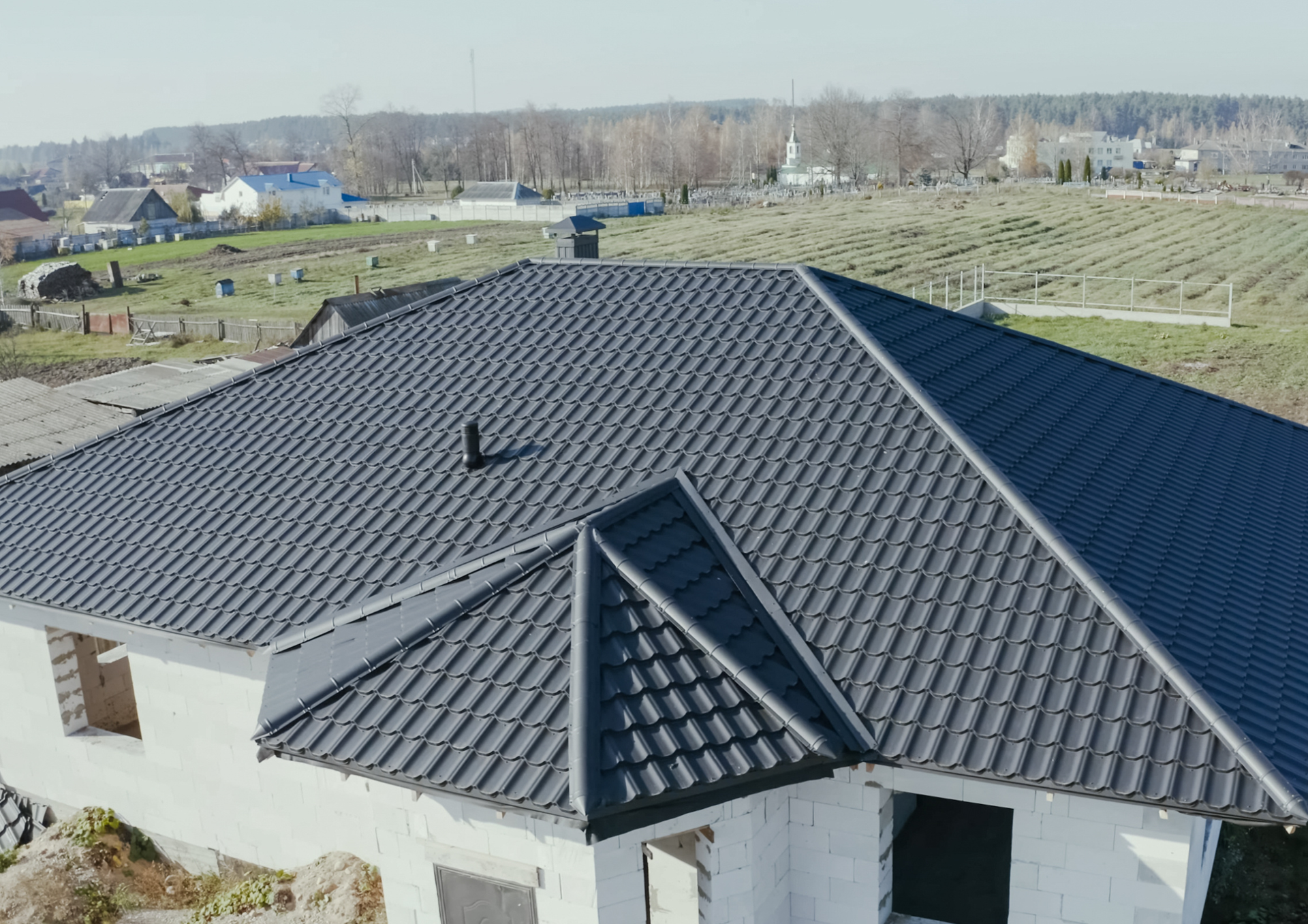
Roof size is an obvious consideration. A larger surface generally requires more materials and more working time, but dimensions alone do not provide the complete picture. Roof shape can be equally important. Valleys, dormers, chimneys, rooflights, extensions and changes in roof level can create additional areas that require careful detailing.
Pitch also affects how work is approached. Steeper roofs may require different access arrangements and can take longer to work on than relatively straightforward surfaces. Similarly, properties with several roof sections can require considerably more preparation than buildings with simpler layouts.
The type and condition of the existing covering also need to be considered. Tiles or slates may have deteriorated gradually, while membranes, battens, flashing or sections beneath the visible covering may require attention. Some issues cannot be fully understood from ground level, making an appropriate inspection particularly useful before significant work is planned.
For anyone researching roof replacement cost, it is important to consider whether the project involves replacing only the external covering or whether additional components beneath it also require work. Removing old materials, preparing the underlying structure and fitting replacement components can all contribute to the scale of the project.
Accessibility is another significant consideration, especially in densely developed areas. London properties can have narrow side passages, enclosed rear gardens, extensions, conservatories or neighbouring buildings that make certain sections more difficult to reach. Terraced properties can present different logistical requirements from detached homes with open access around the building.
The height of a property also matters. Working on a bungalow can involve different arrangements from working on a three-storey townhouse, apartment building or commercial property. Suitable access equipment and appropriate preparation need to reflect the individual building.
The purpose of the work should also be considered. A small isolated repair is very different from extensive refurbishment. Understanding exactly what is included in a quotation allows property owners to make more meaningful comparisons rather than simply choosing according to the final figure.
Key Factors to Check When Comparing Quotations
A quotation should help the property owner understand what work is proposed and what is included. Comparing only the total figure can be misleading when different contractors have based their quotations on different specifications.
Useful points to consider include:
- Scope of the proposed work: Check which sections of the roof are included and whether the quotation relates to repair, partial replacement or more extensive work. A clear description can reduce uncertainty about what is actually being priced.
- Preparation required: Existing coverings may need to be removed before new materials can be installed. The condition of battens, membranes, decking and other underlying elements may also affect the amount of preparation involved.
- Access arrangements: Scaffolding or other suitable access equipment can form an important part of the project. This is especially relevant for tall buildings, properties with restricted access and roofs positioned above extensions or conservatories.
- Roof details: Chimneys, valleys, flashing, verges, ridges and rooflights can require additional attention. Complex layouts generally involve more detailed work than simple uninterrupted roof slopes.
- Waste removal: Removing old tiles, slates, membranes, timber and other materials can form part of larger projects. Property owners should understand how this aspect of the work will be managed.
- Gutters and roofline components: Some projects may involve work around guttering, fascias, soffits or other adjoining components. These should be identified separately where relevant.
- Timescale: The expected duration can help property owners understand the amount of work involved and make practical arrangements around the project.
Anyone researching new roof cost should therefore avoid assuming that every quotation represents exactly the same work. One contractor may include preparation, access and several associated components, while another quotation may cover a narrower specification. Reviewing the details provides a more reliable basis for comparison.
For landlords and local authorities responsible for several buildings, maintaining clear records can also be helpful. Previous repairs, recurring defects and earlier assessments may provide useful information when future work is being considered.
Why Roof Type, Materials and Property Condition Matter
The roof itself has a major influence on the amount of work required. Different designs involve different installation methods, materials and detailing, while the age and condition of the property can introduce additional considerations.
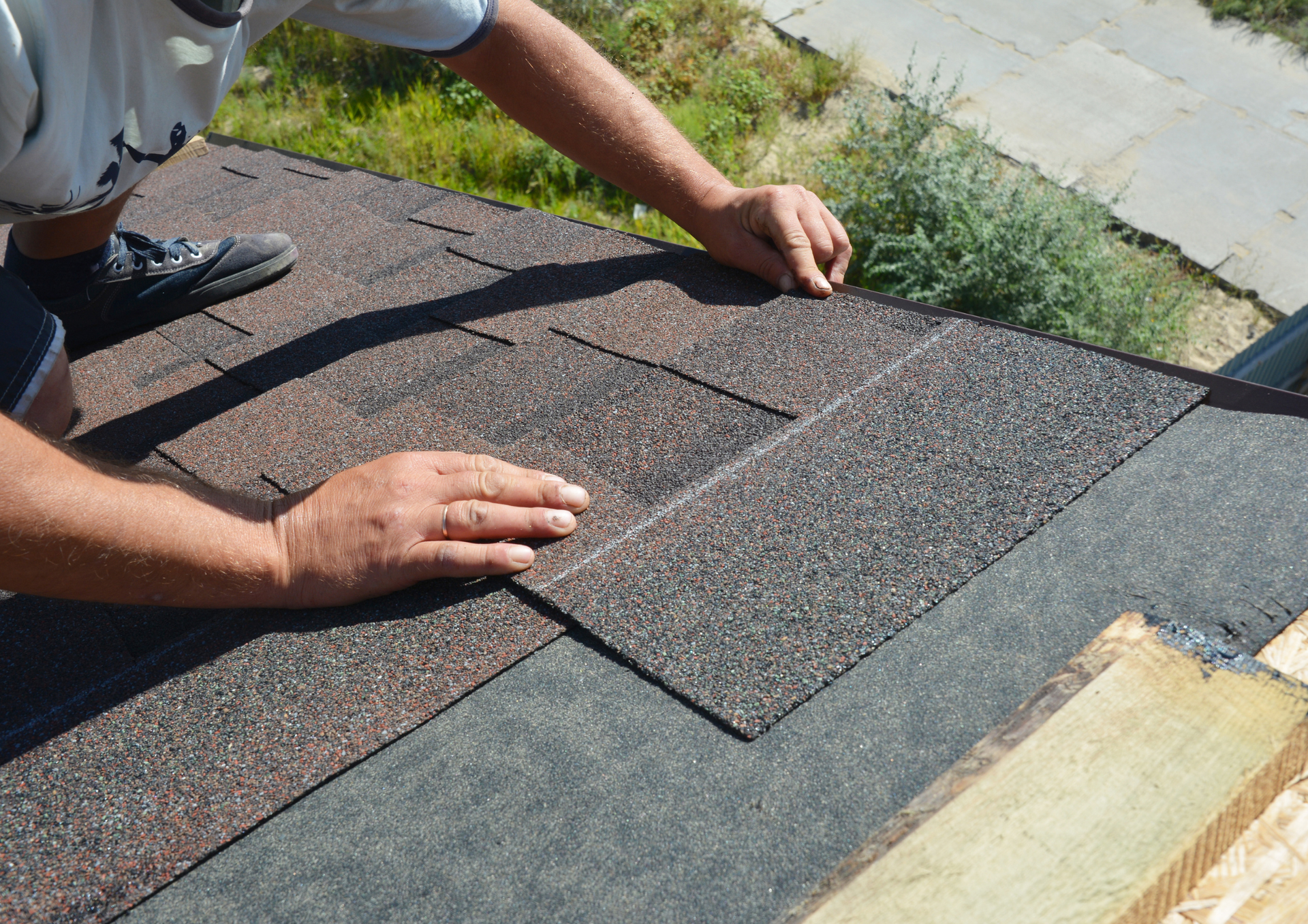
Pitched roofs are common throughout London and the wider UK. They may be covered with concrete tiles, clay tiles, natural slate or other suitable products. Each material has its own installation requirements, and the existing structure needs to be appropriate for the selected covering.
Flat and low-pitched roofs present different considerations. These can be found on extensions, garages, commercial premises and some complete buildings. Their condition may depend on the covering, drainage arrangement, detailing around edges and penetrations, and the condition of the deck underneath.
Material selection can influence both the appearance of a building and the work involved. Matching existing materials may be particularly relevant for extensions, partial work or older properties where maintaining a consistent appearance is desirable.
The age of the property is another consideration. London contains a substantial number of older homes where roofs may have undergone several repairs or alterations over many decades. Previous work can sometimes create an uneven condition, with certain areas performing well while others require closer attention.
When people search for the average cost of a new roof, broad figures can provide general context, but they cannot account for all these individual circumstances. A modest terraced property with a straightforward roof cannot automatically be compared with a detached building containing multiple slopes, dormers, valleys and chimney details.
The underlying condition is particularly important. A roof covering can sometimes hide deterioration beneath the surface. Timber, decking, battens or membranes may need attention before the external covering can be completed correctly. The extent of this work may only become fully apparent after closer inspection or once existing materials have been removed.
Chimneys can also influence the project. Flashing around chimney stacks must be carefully integrated with the surrounding covering, and deteriorated mortar or other defects may need separate consideration. Similar attention may be required around rooflights, vents and other penetrations.
Drainage should not be overlooked either. Roof slopes are designed to direct rainwater towards gutters and suitable outlets. Changes to the roof covering or surrounding components need to maintain an effective route for water to leave the building.
Commercial buildings can introduce further variables. Larger roof areas, different materials, plant installations and access arrangements can make the assessment considerably different from a typical domestic property.
Surveyors and local authorities may also need to consider several buildings of different ages and construction types. In these circumstances, assessing each structure individually provides a more useful basis for planning than applying the same assumptions across an entire portfolio.
Practical Ways to Plan and Budget for Roofing Work
Property owners can make the process easier by gathering appropriate information before committing to significant work. Planning is particularly useful when the project involves an older property, extensive replacement or complicated access.
When assessing roofing cost, consider the following practical steps:
- Arrange an appropriate assessment: Understanding the condition of the roof is the starting point. Identifying visible deterioration, recurring leaks and areas requiring closer investigation can help establish the likely scope of work.
- Provide accurate property information: Explain the type of building, approximate height, known access restrictions and any previous problems. Photographs can sometimes provide useful initial context, although they do not replace an appropriate inspection where one is required.
- Ask for a clear specification: A written description of the proposed work makes it easier to understand what is included and compare different options.
- Consider the entire roof rather than one visible defect: A slipped tile or small damp patch may appear isolated, but understanding the surrounding condition can help determine whether the issue is localised or part of a wider problem.
- Discuss material choices: Different materials can have different installation requirements and visual characteristics. The appropriate option should reflect the building and the work being undertaken.
- Check access requirements early: Restricted rear access, neighbouring buildings, extensions and property height can affect how the work needs to be organised.
- Plan around the condition of adjoining elements: Chimneys, flashing, valleys, gutters and roofline components can interact closely with the main covering. Identifying related work beforehand can make project planning clearer.
- Keep records of previous work: Dates, photographs and descriptions of earlier repairs can provide valuable context when future maintenance is being considered.
- Allow for unexpected findings: Older roofs can sometimes reveal deterioration beneath the external covering once work begins. Keeping some flexibility in the project budget can therefore be sensible.
- Avoid comparing quotations solely by price: Look at the proposed work, materials, preparation and access arrangements as well as the total figure.
Planning can be particularly important for landlords and organisations responsible for multiple properties. Recording roof condition across a portfolio can make it easier to identify which buildings need attention sooner and which can continue with routine observation and maintenance.
Homeowners can adopt a similar approach. Rather than waiting until a significant problem develops, keeping an eye on visible changes can provide useful early indications. Missing or displaced tiles, damaged flashing, overflowing gutters, internal damp marks and debris around the property may justify further investigation.
Seasonal conditions should also be considered. London and other parts of the UK experience periods of heavy rain, wind and cold weather that can expose existing weaknesses. Following severe weather, checking accessible areas from ground level can help identify obvious changes without attempting unsafe access.
For homeowners, landlords, surveyors and local authorities, the most useful starting point is to understand the condition of the building and establish what work is actually required. Clear quotations, suitable assessments and detailed specifications can make it easier to compare proposals and understand how different factors may influence roofing prices.
This is especially relevant in London, where traditional terraces, period houses, modern developments, apartment buildings and commercial premises can all present different practical requirements. The same principle applies elsewhere in the UK: decisions should reflect the individual building rather than relying entirely on broad estimates.
Taking time to understand the scope of a project can also help property owners distinguish between immediate work and maintenance that may be planned for a later stage. This creates a more organised approach to caring for the building while ensuring decisions are based on its actual condition.
Local Roofing London provides practical support for homeowners, landlords and other property decision-makers who want a clear and considered approach to maintaining their buildings. We understand that properties throughout London differ considerably in age, design, access and condition, so each project should be considered according to its individual requirements.
Our approach focuses on clear communication and helping customers understand the work being proposed. From smaller residential properties to larger buildings with more complicated roof layouts, careful assessment can help establish which areas require attention and what practical considerations may influence roofing prices.
We recognise that arranging work on a property can involve important decisions about materials, timing and the overall scope of the project. By taking these factors into account from the beginning, we aim to make the process easier to understand and organise while providing professional support appropriate to the building and its requirements.
Check out our latest X update on what homeowners should know about
roofing prices and the factors that can influence overall project costs!
You might also like