Roofers Handling Roof Maintenance for Older Homes and Properties
Older homes often contain unique architectural features and ageing roofing materials that require careful long-term maintenance. Homeowners, landlords, surveyors, and local authorities responsible for residential and commercial properties must consider how weather exposure, moisture build-up, ageing materials, and gradual structural movement can affect roof condition over time. Experienced roofers are often required to manage traditional roofing systems that include slate, clay tiles, timber supports, lead flashing, and older ventilation designs that may need specialist attention to help preserve the structure properly.
Regular inspections remain important for identifying roofing concerns before they develop into larger structural problems. Water penetration, poor ventilation, damaged materials, and blocked drainage systems can gradually affect loft spaces, ceilings, insulation, and external walls if left unresolved. Maintaining a planned approach to roof care helps support safer buildings, improved property condition, and more reliable long-term maintenance for older properties.
Understanding Common Roofing Problems in Older Properties
Ageing roofs often experience gradual wear caused by years of exposure to rain, frost, wind, temperature changes, and environmental debris. Roofers commonly identify loose tiles, damaged flashing, deteriorating mortar, blocked drainage systems, and weakened timber supports during inspections of older properties. Moisture can also become a serious concern where small gaps around chimneys, roof valleys, or ageing joints allow water to enter the structure gradually over time, potentially affecting loft spaces, ceilings, and internal timber components.
Ventilation and seasonal weather conditions may place additional strain on older roofing systems as well. Many traditional buildings were not designed with modern airflow systems, increasing the risk of condensation, trapped moisture, and timber decay within roof spaces. Heavy rainfall, freezing temperatures, and strong winds can worsen existing weaknesses, particularly where maintenance has been delayed. Regular inspections and professional assessments help identify hidden problems early while supporting the long-term condition and appearance of traditional roofing structures.
The Importance of Planned Roof Maintenance
Planned roof maintenance helps reduce the risk of smaller problems developing into larger structural concerns over time. Older properties often benefit from regular inspections throughout the year, particularly after severe weather or prolonged rainfall. Keeping gutters, downpipes, roof valleys, and drainage channels clear remains an important part of maintaining roof condition, as accumulated debris may restrict water flow and increase the risk of moisture-related damage to both roofing materials and surrounding masonry.
Property owners should also monitor external vegetation and remain aware of warning signs that may indicate developing roofing issues. Overhanging branches can damage roof coverings during strong winds while also trapping moisture against roofing surfaces. Dislodged tiles, damp odours, water staining, or visible sagging may all suggest underlying structural concerns requiring professional attention. In many cases, older buildings also require careful maintenance approaches that help preserve original roofing materials and maintain the long-term character of the property.
Managing Structural Considerations in Ageing Roof Systems
Older roofs may experience gradual movement and settlement as materials naturally age over time. Timber supports can weaken, rooflines may shift slightly, and earlier repair work may place uneven pressure on certain parts of the structure. Traditional roofs using slate or heavy clay tiles often require careful structural assessment, particularly where ageing timbers or added materials increase strain on the property. Chimneys, dormer windows, roof junctions, and extensions may also become vulnerable areas where moisture penetration or structural movement develops gradually.
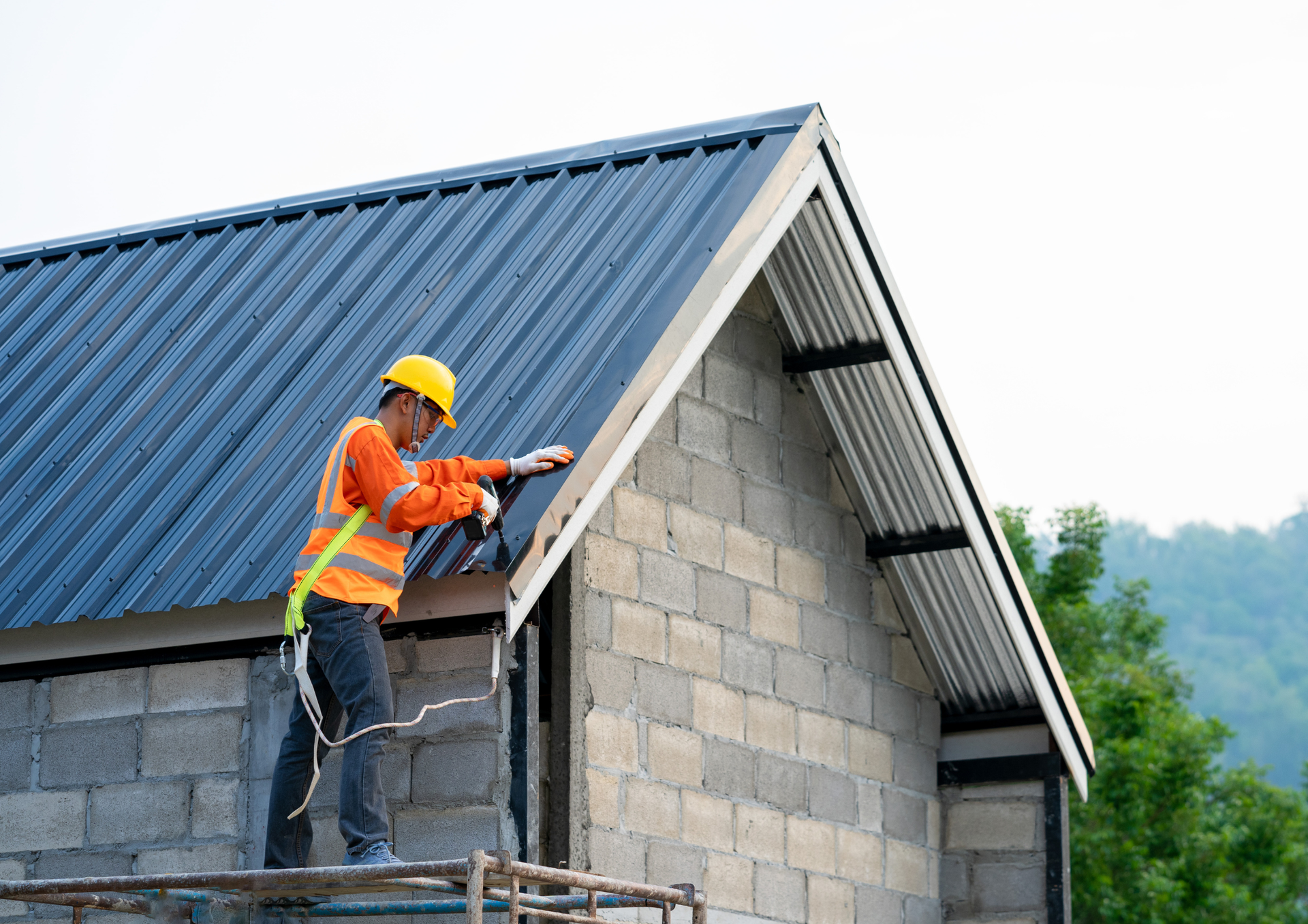
Many older properties feature roofing designs that require careful planning and specialist access methods during maintenance work. Steep roof pitches, fragile materials, and restricted access can all influence how work is carried out safely. Timely roof repairs often help prevent smaller defects from developing into larger structural concerns, especially where ageing materials remain exposed to ongoing weather conditions.
Traditional flat roof sections may also require monitoring due to the risk of standing water and surface deterioration, with flat roof repair sometimes necessary where prolonged moisture exposure begins affecting the surrounding structure.
Choosing Suitable Long-Term Roofing Support
Selecting experienced roofing professionals is important when managing older properties, as traditional roofing materials and historic construction methods often require a more careful approach than modern buildings. Understanding how ageing structures respond to weather exposure, ventilation, moisture, and gradual movement helps support more suitable long-term maintenance decisions. Many property owners also keep detailed inspection records to monitor recurring issues and track the condition of specific roof sections over time.
Clear communication remains important during maintenance projects involving older buildings, particularly when discussing structural findings, access limitations, and ongoing upkeep requirements. Professional roofing services may include inspections, drainage maintenance, tile replacement, flashing repairs, and long-term maintenance planning designed to support residential and commercial properties.
Many property owners searching online for roofers near me are often looking for dependable long-term support, while experienced people understand the importance of balancing structural protection, material preservation, and practical property management for older buildings.
Local Roofing London provides practical and professional support for homeowners, landlords, surveyors, and local authorities managing roofing maintenance across residential and commercial properties. We understand the importance of careful planning when working on older buildings and ageing roof structures.
Our approach focuses on clear communication, organised inspections, and sensible long-term maintenance solutions tailored to the condition of each property. Our roofers work carefully with traditional roofing materials, ageing drainage systems, and ongoing structural concerns to provide dependable guidance and professional workmanship throughout every stage of the process.
Update on X: Better property protection with reliable
roofers.
You might also like