Roofing Repairs for Worn Felt and Membrane Roof Surface Damage
Roof coverings are exposed to constant weather changes throughout the year, making them vulnerable to gradual wear, moisture exposure, and physical damage over time. Felt and membrane roofing systems are commonly used across residential and commercial properties because they provide practical waterproof protection while remaining suitable for a wide range of roof structures.
However, once damage develops within these materials, small defects can quickly lead to larger structural concerns if ignored for extended periods. For homeowners, landlords, surveyors, and local authorities responsible for maintaining buildings, understanding how damaged roofing materials affect a property can help reduce long-term deterioration and unnecessary disruption.
Cracks, lifting edges, trapped moisture, punctures, and surface movement can all compromise the effectiveness of felt and membrane roof systems. These issues are often more noticeable during periods of heavy rainfall, strong winds, freezing temperatures, or prolonged exposure to sunlight.
Many roofing problems begin gradually rather than appearing suddenly. Minor weaknesses within roof coverings may initially seem harmless, yet repeated exposure to changing weather conditions can allow water penetration to worsen over time. Moisture entering damaged areas may affect insulation, internal ceilings, timber supports, and surrounding roof structures, particularly if repairs are delayed for too long.
Common Causes of Damage to Felt and Membrane Roof Areas
A wide range of environmental and structural factors can contribute to damage within felt and membrane roofing systems over time. Understanding the most common causes of deterioration can help property owners recognise potential risks earlier and reduce the likelihood of more serious roofing problems developing.
- Prolonged exposure to heavy rain, strong winds, frost, standing water, and fluctuating temperatures can gradually weaken roofing materials over time.
- Flat roof structures are often more vulnerable to moisture retention because drainage may be slower than on pitched roofs, increasing the risk of blistering, cracking, and surface separation.
- Regular foot traffic from maintenance work involving aerials, vents, drainage systems, or solar equipment can place repeated pressure on roofing surfaces and create punctures or tears.
- Older felt and membrane materials may become brittle, shrink, or split as protective coatings naturally deteriorate through age and long-term weather exposure.
- Poor installation methods or inadequate roof ventilation can sometimes accelerate deterioration and reduce the overall effectiveness of the roofing system.
- Blocked gutters, moss growth, and restricted drainage outlets may trap moisture on roof surfaces, increasing the risk of internal leaks and structural weakening.
- Falling branches, storm debris, and accidental impact can also damage roofing surfaces and create openings that allow water penetration beneath the protective layer.
Warning Signs That Roofing Repairs May Be Needed
Roofing damage often becomes easier to manage when warning signs are identified early. Felt and membrane roof systems can gradually develop visible symptoms over time, allowing property owners to address problems before more serious structural deterioration occurs.
- Damp patches or water staining on ceilings and upper walls may indicate moisture penetration from damaged roof coverings.
- Commercial properties may experience leaks around suspended ceilings, lighting areas, or ventilation systems.
- Raised sections, bubbling materials, lifting edges, sagging areas, or cracked surfaces can suggest trapped moisture or ageing roofing materials.
- Recurring leaks during heavy rainfall may indicate wider deterioration across surrounding sections of the roof rather than a single isolated issue.
- Standing water remaining on flat roof surfaces long after rainfall may point to blocked drainage outlets, uneven surfaces, or weakened structural support.
- Loose roofing fragments, detached flashings, cracked felt edges, or membrane separation can indicate gradual breakdown of protective roofing materials.
- Regular inspections carried out by experienced professionals may help identify developing roofing concerns before larger structural problems emerge.
Repair Approaches for Felt and Membrane Roofing Systems
Repair methods for damaged roofing areas depend largely on the extent of deterioration, the age of the roof covering, and the condition of the supporting structure underneath. In many situations, smaller areas of damage can be addressed effectively before wider replacement becomes necessary.
Minor punctures, cracks, or separated joints may sometimes be repaired using compatible patching materials designed specifically for felt or membrane roofing systems. These repairs aim to restore waterproof protection while preventing moisture from spreading further beneath the roofing layer.
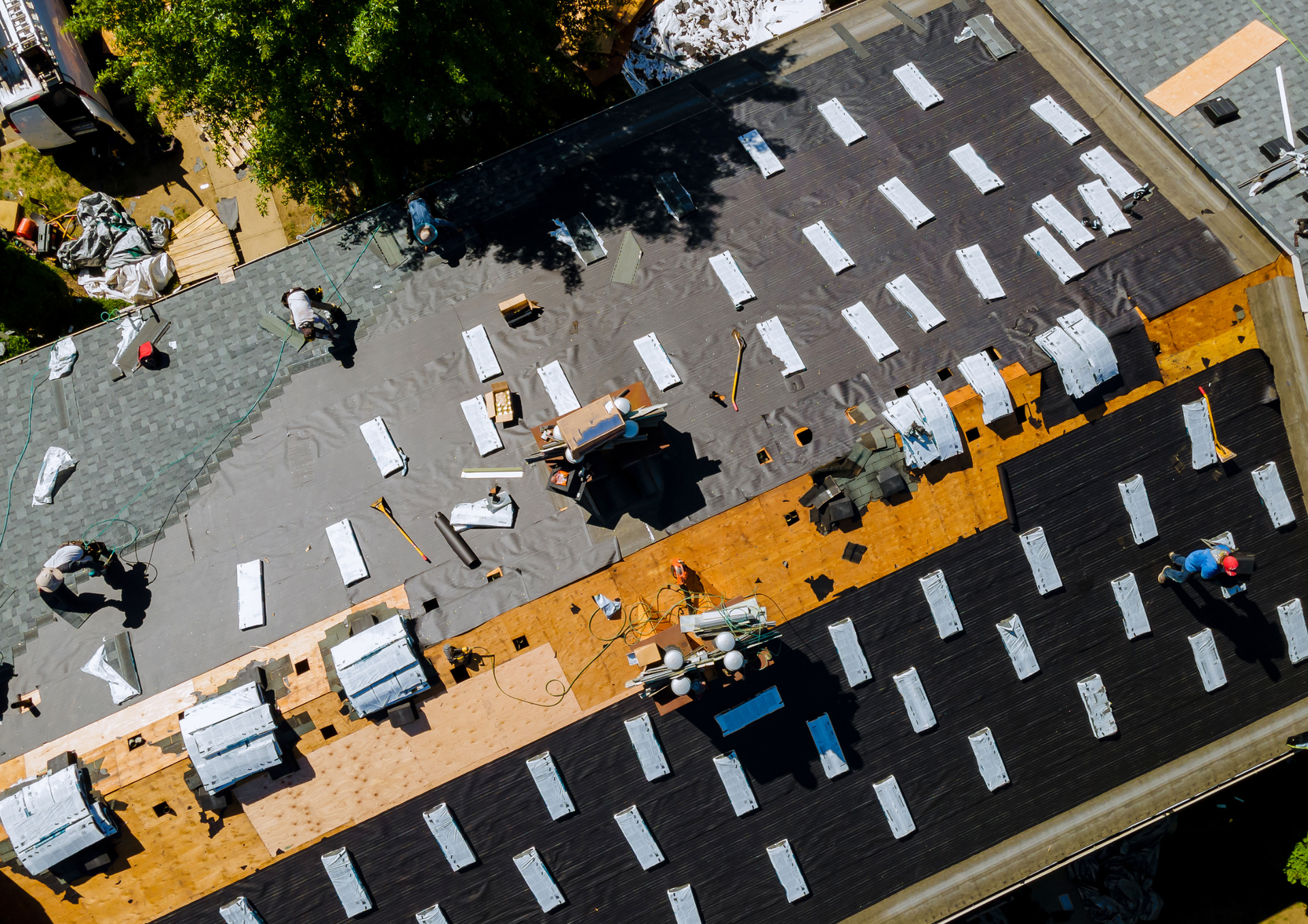
Where blistering or trapped moisture has developed, affected sections may need careful removal and replacement to ensure damaged material does not continue weakening surrounding areas. Proper preparation of the underlying surface is important when carrying out repairs, as moisture trapped beneath new materials can eventually lead to recurring problems.
Some older roofs may require more extensive sectional replacement if deterioration has spread across larger areas. Replacing weakened sections while retaining structurally sound portions of the roof can sometimes provide a practical solution for extending the usable lifespan of the roofing system.
Property owners often begin searching for dependable roof repair guidance once signs of leaks, cracking, or surface movement become noticeable, particularly after periods of severe weather or prolonged moisture exposure.
Flat roof systems may also require improvements to drainage arrangements during repair work. Adjusting water flow, clearing outlets, improving falls, or replacing damaged edging materials can help reduce future moisture accumulation and improve overall roof performance.
Safe access and organised inspection procedures remain important throughout repair work, especially for larger commercial buildings or multi-level residential properties. Proper assessment allows damaged areas to be identified accurately while helping ensure repairs are carried out efficiently and safely.
Long-Term Roof Maintenance and Property Protection
Ongoing maintenance plays an important role in preserving the condition of felt and membrane roofing systems throughout changing weather conditions. While repairs may resolve immediate problems, long-term upkeep helps reduce the likelihood of recurring deterioration developing prematurely.
Regular visual inspections can help identify early signs of wear before significant structural problems emerge. Property owners may benefit from checking roof areas following storms, heavy rainfall, or freezing conditions, particularly where older roofing materials are present.
Drainage maintenance remains one of the most important aspects of protecting flat roof systems. Keeping gutters, outlets, and drainage channels free from debris can reduce standing water and minimise unnecessary strain on roofing materials during periods of heavy rainfall.
Ventilation also contributes to roof longevity. Poor airflow within roof spaces may encourage trapped condensation, which can gradually affect timber supports, insulation materials, and surrounding structural components over time.
Preventative maintenance programmes often reduce the need for more disruptive flat roof repair work by identifying smaller defects before water penetration causes wider internal damage.
Property owners responsible for larger buildings may choose to arrange scheduled inspections to monitor ageing roof systems more consistently. Residential and commercial properties both benefit from organised maintenance planning, particularly where roofs are exposed to regular environmental stress.
While felt and membrane systems are commonly used across flat roof structures, some properties may also contain adjoining roof tiling sections that require separate inspection and maintenance to ensure complete weather protection across the building.
Many property owners begin researching trusted roofers near me when visible roofing problems become increasingly noticeable or when ongoing leaks begin affecting internal areas of the property.
Local Roofing London
focuses on providing clear, practical, and informative roofing guidance for residential and commercial property owners. Our website is designed to support homeowners, landlords, surveyors, and local authorities with straightforward information relating to roof maintenance, repair considerations, and long-term property protection.
We prioritise professional standards, realistic advice, and easy-to-understand information without unnecessary technical language or exaggerated claims. Whether researching roof maintenance concerns, understanding signs of deterioration, or exploring repair options for felt and membrane roofing systems, our aim is to provide reliable information that helps property owners make informed decisions with confidence.
Don't Miss Out on X: Keep your roof protected with professional
roofing repairs.
You might also like